Songkran is the Thai New Year, and for a few days in the middle of April the country conducts the largest water fight on earth in its own streets.
It is also the single most misunderstood week in the Thai calendar for visitors. People arrive expecting the whole city to be soaked and find half of it working normally. Others book a hotel across town from the street they wanted and spend the festival in wet clothes in the back of a taxi.
This is the practical version: what the festival actually is, which streets get wet, what to carry, the safety part that matters, and how to be near the version of it you want.
The short version
- Songkran is the Thai New Year, officially 13 to 15 April, with the water often starting earlier and running later.
- The water concentrates on named streets. Silom is the biggest, Khao San the densest, and Sukhumvit is heaviest near Nana.
- Book as soon as your dates are fixed. This is the hardest week of the year to find the room type you need.
- Road accidents spike nationally over the holiday. Do not ride or take a motorbike during Songkran.
- Never throw water at monks, elderly people, babies or anyone on a motorbike.
- Trains and malls run normally. Small family restaurants often close for several days.
Before you book
Nine Arawana addresses across Bangkok and Pattaya. Reserve through us and the SMART rate applies automatically, with no booking fees and free cancellation on most rates.
What Songkran actually is
The water fight is the modern, loudest layer of something considerably older. Songkran marks the traditional Thai New Year, and its original form is gentle: pouring scented water over Buddha images to bathe them, and pouring a little water over the hands of elders as a gesture of respect and a request for blessing.
That ceremony still happens, in homes and temples, on the same days as the street battles. UNESCO added Songkran to its list of Intangible Cultural Heritage in 2023, and the citation is about the ritual rather than the water pistols. Both versions are real and they run side by side.
Knowing this changes how the week feels. If you spend one morning at a temple watching families bathe Buddha images before spending the afternoon being drenched by strangers on Silom, you have seen the festival. If you only do the second part, you have been to a very good party.
Good to know
- Traditional Thai New Year, mid-April
- Originally water poured over Buddha images and elders' hands
- UNESCO Intangible Cultural Heritage since 2023
- The ritual and the street party happen at once
The dates, and why they stretch
The official holiday runs from the 13th to the 15th of April every year. In practice the water starts before that and continues after, and the government frequently adds bridging days to make a longer break, which is announced separately each year.
For a visitor this means two things. First, if you have booked flights around exactly three days, you may find the city still wet on day four or already wet on day twelve. Second, and more importantly, the surrounding week is the busiest travel period in Thailand by a distance, because the whole country moves at once.
Book accommodation as soon as your dates are fixed. Not when a rate looks good. This is the one week of the year where the useful room types in central Bangkok genuinely disappear months ahead, and where waiting achieves nothing except fewer options.
Good to know
- Officially 13 to 15 April
- Water often starts earlier and runs later
- Bridging days are announced each year
- Book as soon as dates are fixed, not when rates dip
Which streets actually get wet
This is the part that decides your festival. The water is not distributed evenly across Bangkok: it concentrates on a handful of named streets, and everywhere else carries on with a fraction of the intensity.
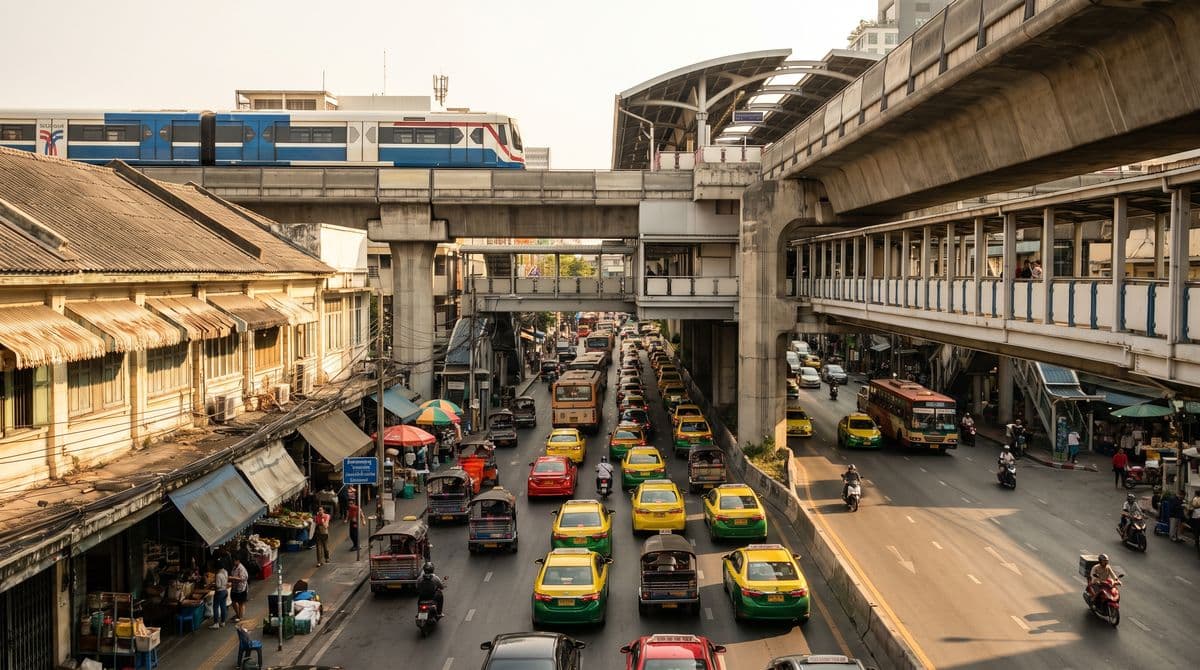
Silom Road is the big one, closed to traffic and turned into a long corridor of water for its full length. It is the most organised of the fights and the easiest to dip in and out of. Khao San Road is the backpacker version: smaller, denser, louder, and not walkable from any of our hotels. Around Siam, Rama I gets busy in the afternoons. On Sukhumvit, the heaviest play sits around Nana and Soi 4 rather than further east.
Soi 22, where two of our properties are, stays relatively sane. That is the point of it. You are a short hop from the Sukhumvit action with a dry room to come back to, rather than sleeping on top of a street party for three consecutive nights.
Good to know
- Silom: the largest, road closed, easiest to dip in and out
- Khao San: denser and louder, not walkable from our hotels
- Sukhumvit: heaviest around Nana and Soi 4
- Soi 22 stays comparatively calm
What to carry and what to leave upstairs
Assume everything you take outside will get completely soaked, because it will. There is no version of this where you stay partly dry, and people who try to protect a bag have a worse day than people who accept it immediately.
Take: a waterproof phone pouch on a lanyard, bought before you fly, since street prices for them triple the moment the festival starts. A small amount of cash in that same pouch. Quick-dry clothes you would not mind ruining, and flip-flops or sandals with a strap. Sunglasses, which are genuinely useful when someone is aiming a bucket at your face.
Leave in the room: your passport, the camera you care about, anything leather or suede, and any card you cannot easily replace. A second t-shirt waiting in the room is worth more than a towel you would have to carry through a water fight to get home.
Good to know
- Waterproof phone pouch, bought before you fly
- Cash in the pouch, clothes you can ruin
- Sunglasses are more useful than they sound
- Passport, good camera and leather stay upstairs
Where to stay
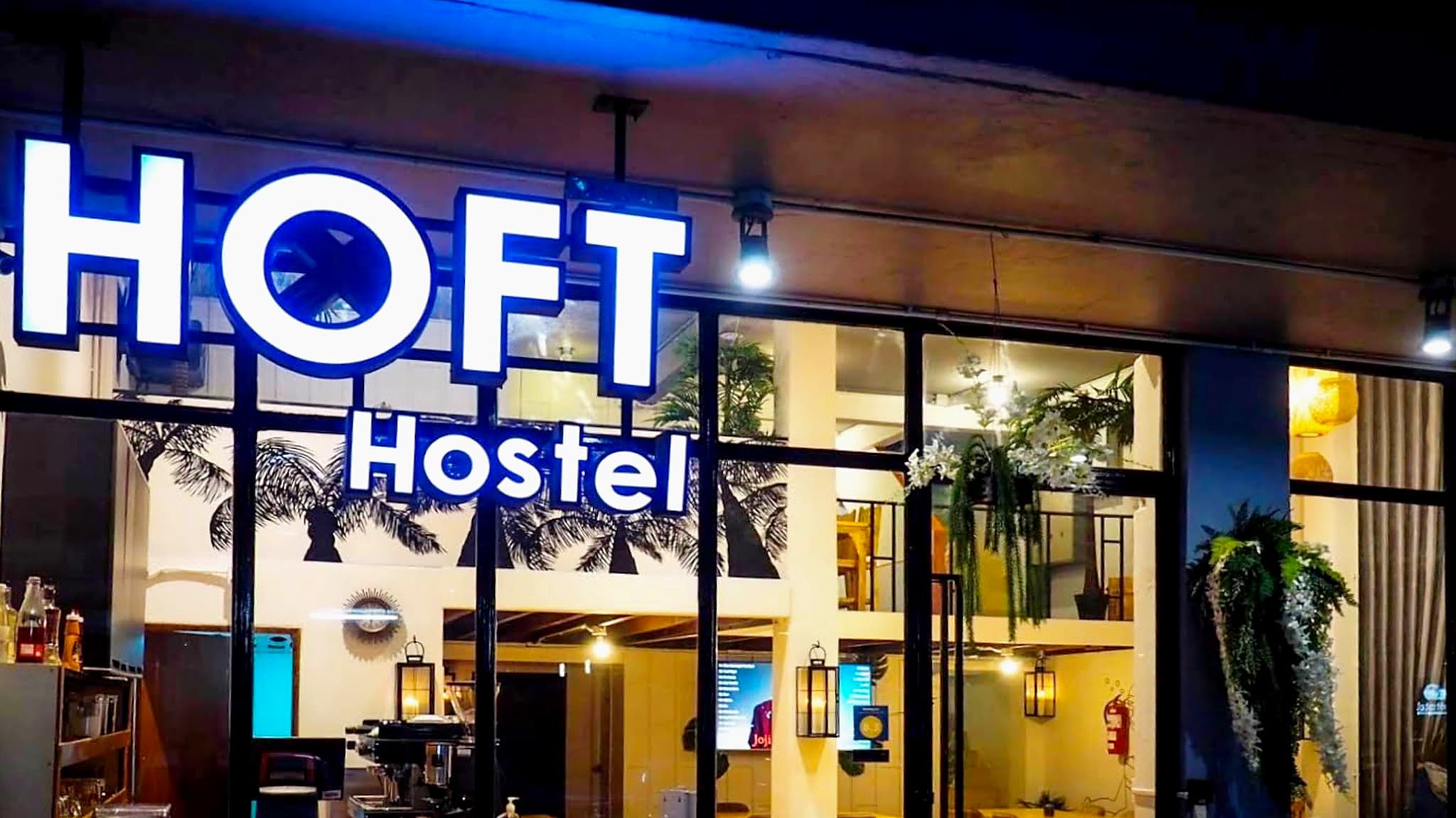
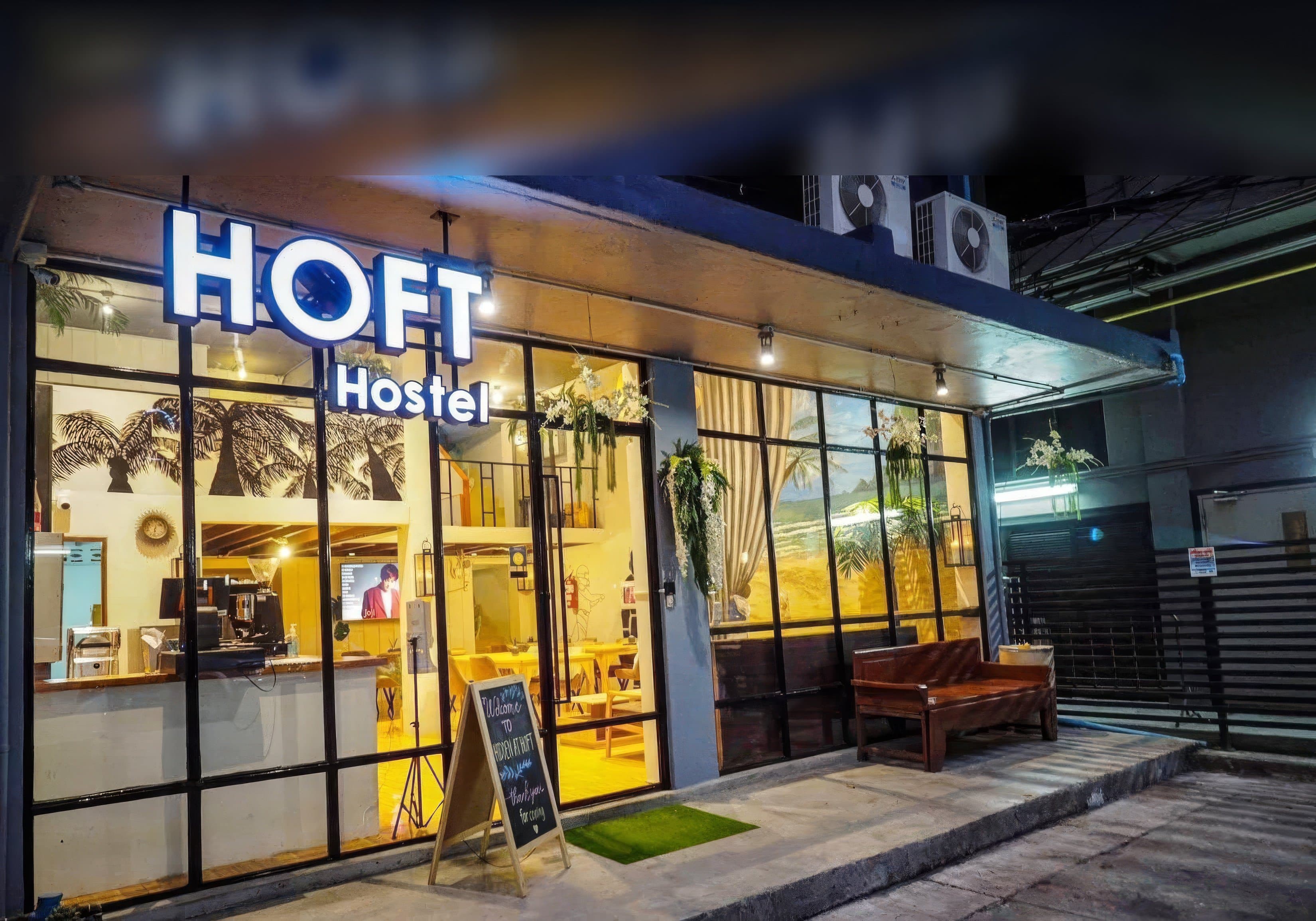
Arawana Hoft Hostel
HOFT if you want a short walk home in soaked clothes from Silom. Express Sukhumvit 22 or Regency Park if you want a dry private room off the Sukhumvit fights.
The safety part, which is not optional
Songkran is genuinely joyful and it also has a serious side that Thai media covers heavily every year. The holiday period sees a sharp national spike in road accidents, and the combination of long-distance travel, wet roads and drinking is the reason. This is not a scare story, it is the single most important thing to know about the week.
The practical consequences for you: do not ride a motorbike during Songkran, even if you have ridden all trip. Do not get on the back of one. Be careful crossing roads near the water zones, where visibility is poor and surfaces are slick. If you are travelling between cities, the train and the plane are better choices than the road on the 12th, 13th and 16th.
Two more. Ice water thrown into the face is unpleasant and occasionally dangerous, and it is fine to say no. And phone theft in dense crowds is opportunistic, so the lanyard on your pouch is doing two jobs.
Good to know
- Road accidents spike nationally over the holiday
- Do not ride or take a motorbike during Songkran
- Roads near water zones are slick and poorly seen
- Keep the phone pouch on a lanyard
The etiquette that keeps you welcome
Almost everyone in a water zone is fair game and expects to be. There are clear exceptions and they are taken seriously. Do not throw water at monks. Do not soak elderly people, or anyone visibly not participating, or babies. Do not throw water at someone riding a motorbike, which is both rude and genuinely dangerous.
Some people carry chalk paste and mark it on faces as a blessing. It is meant kindly. If you would rather not, a smile and a gesture is enough and nobody takes offence.
The gentler version is worth seeking out at least once: if you visit a temple during the festival you will see people pouring scented water carefully over Buddha images. You are welcome to join, quietly and without a water gun. It is the same festival and it is the half most visitors never see.
Good to know
- Never monks, elders, babies, or motorbike riders
- Anyone clearly not playing is off limits
- Chalk paste on the face is a blessing
- Visit a temple once, without the water gun
What is open, and what shuts
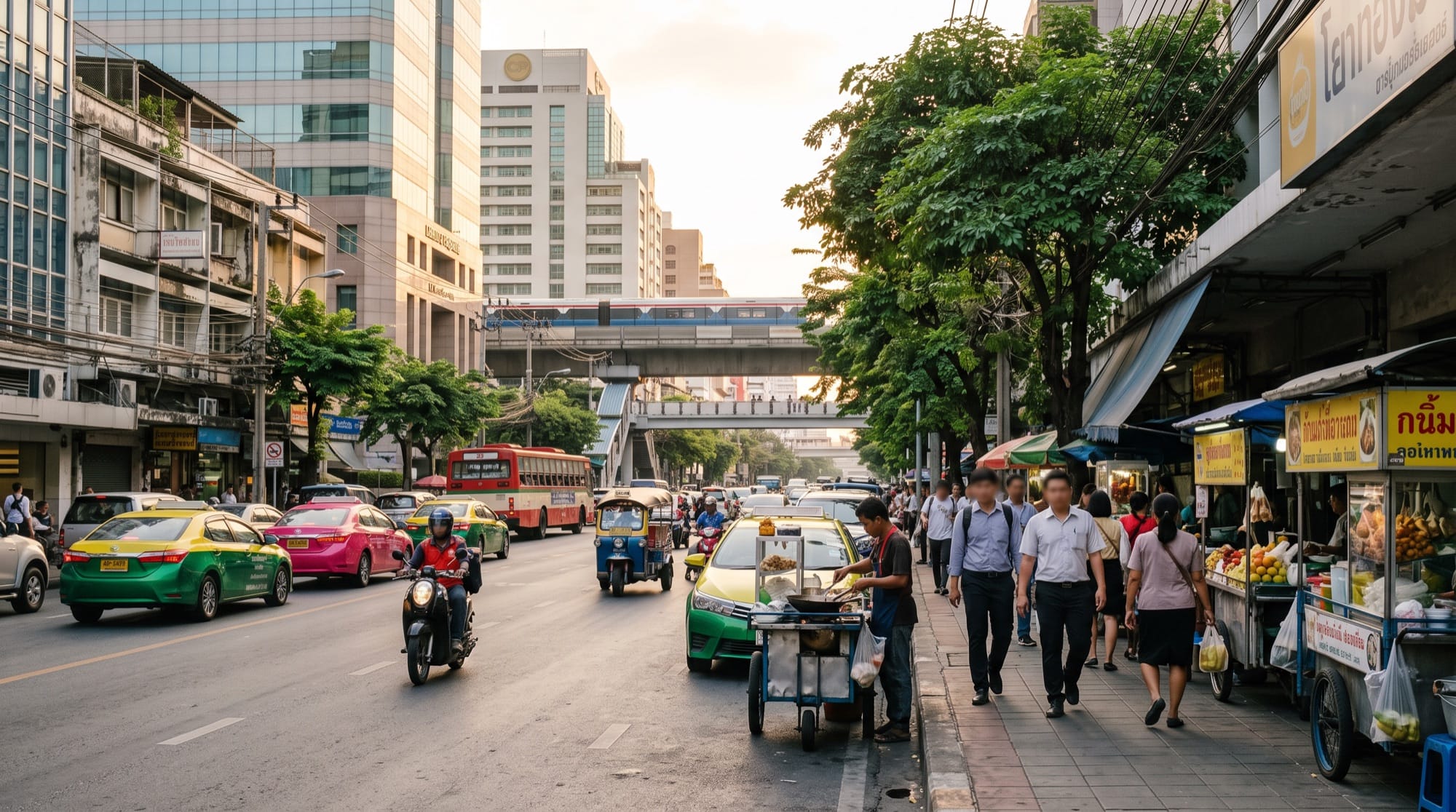
Malls, convenience stores and the trains all run normally, which surprises people. The BTS and MRT are the best way to move around the whole week, and the stations near water zones are often the driest route in and out.
What closes is the small stuff: family-run restaurants, some independent shops, and the odd market stall, often for several days as staff travel home to their provinces. If you have a favourite place from earlier in the trip, do not assume it will be open on the 14th.
Banks and government offices close for the public holidays. Temples stay open and are busier than usual in a good way. Plan on eating in malls, hotels or the larger restaurants during the core days, and treat anything smaller as a bonus if it happens to be trading.
Good to know
- Trains, malls and convenience stores run normally
- Small family restaurants often close for days
- Banks and government offices shut
- Temples stay open and are busy
Which hotel, and building one dry morning
If Silom is the fight you want, sleep on Silom. Arawana HOFT Hostel is a short walk from it, and being able to walk home soaked instead of finding transport in wet clothes is the single biggest quality-of-life decision of the week.
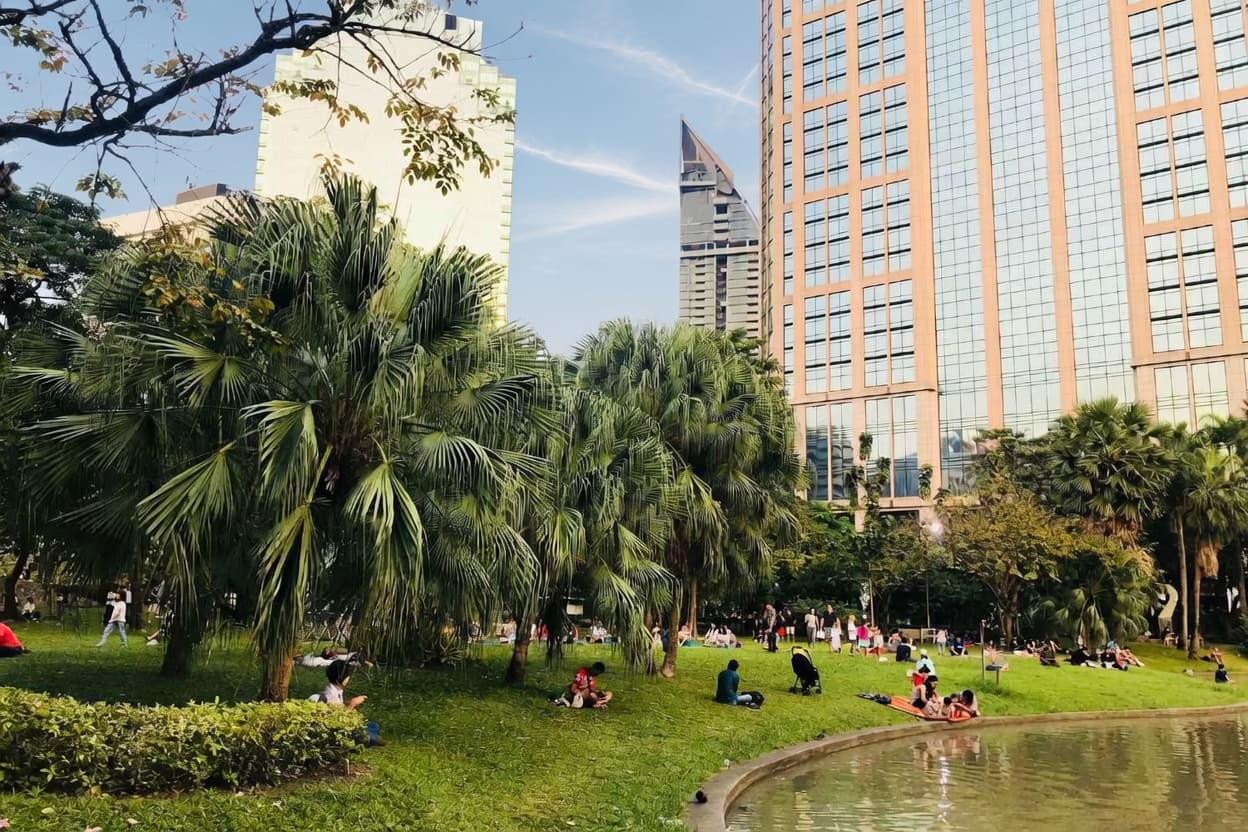
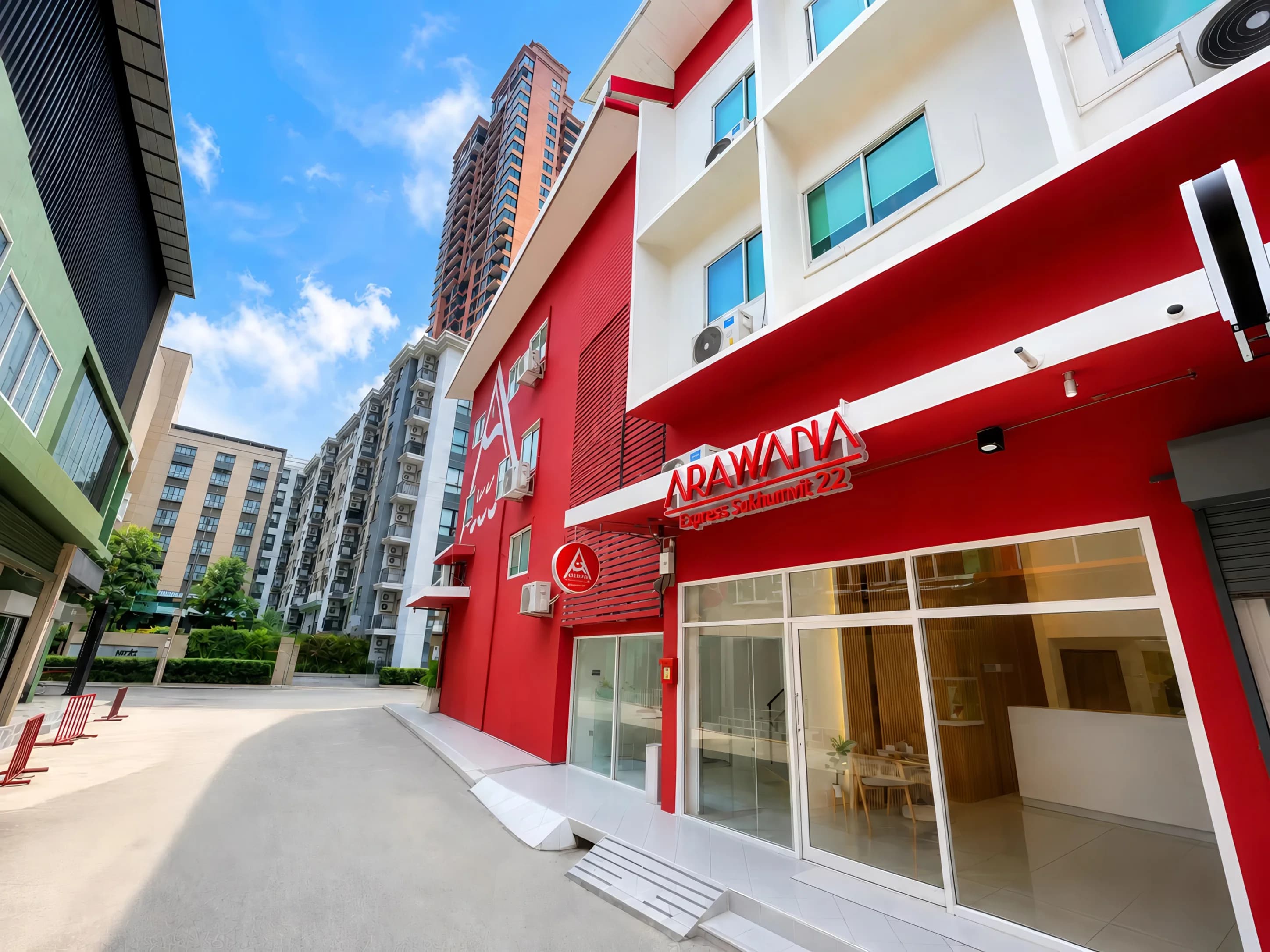
If you want the festival on your terms (in for a few hours, out again, dry room, private bathroom), take Arawana Express Sukhumvit 22 on Soi 22. And if you are travelling as a family or want a pool for the recovery day, Arawana Regency Park Sukhumvit is on the same soi. April is the hottest month of the Thai year, which makes that pool worth considerably more than it would be in December.
Whichever you pick, build one dry morning into the week. Wat Pho or the Grand Palace early, before the water starts, is a completely different experience of the same days. Three consecutive days of street battle is more than most people actually want, whatever they thought when they booked.
Good to know
- Silom fight: sleep at HOFT and walk home
- Want a dry private room: Express Sukhumvit 22
- Family or recovery day: Regency Park and the pool
- Plan at least one dry morning
Ways to string it together
A Songkran day that works
One temple morning, one water afternoon, and a dry evening. Repeat as desired.
- 08:00 temple before the water starts, while it is quiet and cool.
- 10:30 back to the room, change into clothes you can ruin.
- 12:00 into the water street, phone in the pouch, cash only.
- 16:00 out before you are exhausted rather than after.
- 17:00 shower, dry clothes, second t-shirt.
- 19:00 eat somewhere large enough to still be open.
The recovery day
The day in between, which most people underestimate until they need it.
- Sleep in properly. Nothing before eleven.
- Pool, if your hotel has one. April makes this the best hour of the day.
- Late lunch indoors, in a mall, out of the heat.
- An easy evening walk once the sun is down, no water street.
Planning your visit
- Buy the phone pouch before you fly
- Waterproof pouches are sold everywhere in Bangkok and the price rises sharply the closer you get to the 13th. Bring one from home, on a lanyard, and test the seal in a sink before you trust it with your phone.
- Do not plan a cross-town move on a water day
- Getting from one side of Bangkok to the other in soaked clothes, with roads closed and taxis reluctant, is the worst part of a badly planned Songkran. Sleep near the street you want to play on.
- Take the train, not the road
- The BTS and MRT run normally through the festival and are the safest and fastest way to move. If you are travelling between cities, avoid the roads on the days either side of the holiday.
- Leave one set of dry clothes in the room
- A second t-shirt and dry shorts waiting upstairs turns the end of the afternoon into a shower and a change rather than a damp evening. It is a very small thing that makes a large difference.
- Assume your favourite small restaurant is shut
- Independent and family-run places often close for several days as staff travel home. Have a mall or hotel option in mind for the core days rather than walking somewhere hopefully.
Songkran is worth planning a trip around, as long as you plan the week rather than just booking into it. Get the dates early, sleep next to the street you actually want, carry nothing you would mind losing, stay off motorbikes, and give yourself one temple morning and one recovery day. Book Arawana HOFT Hostel if Silom is the plan, or Arawana Express Sukhumvit 22 and Arawana Regency Park Sukhumvit if you would rather visit the water and come home dry. More on booking around Thai holidays generally is in Bangkok on a public holiday.

Written by
Nalinee Boonmee
Guest Manager, Arawana Group
Nalinee leads guest experience across all eight Arawana properties. She works with each front desk team so bookings, check-ins, and day-to-day stays run smoothly.
Written with our Silom and Sukhumvit front desks, who work through every Songkran. Official dates are 13 to 15 April but bridging days and the extent of the water change year to year, so confirm the current calendar when you book.